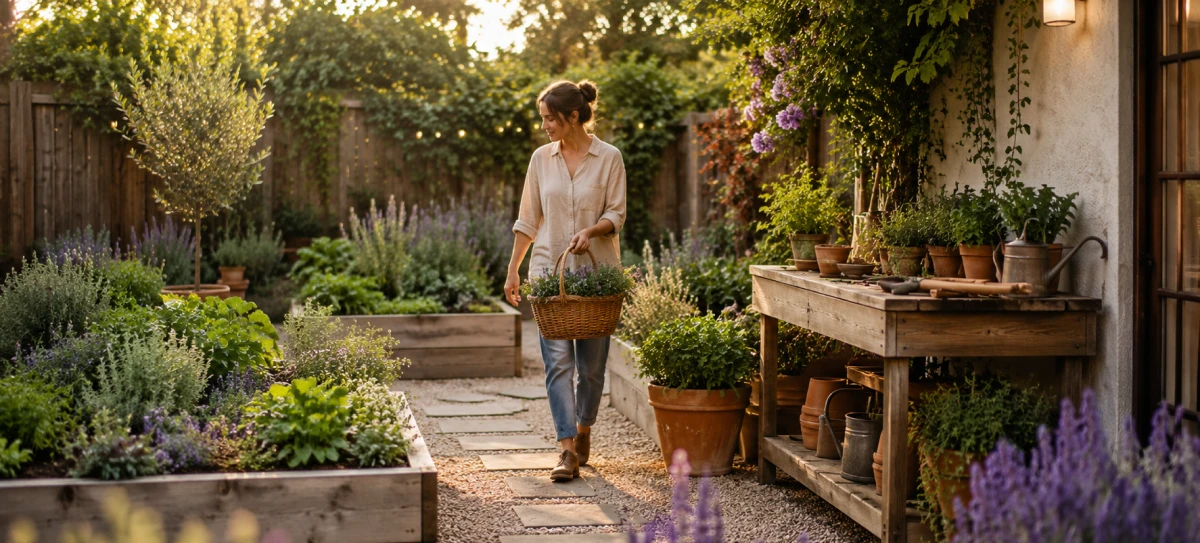
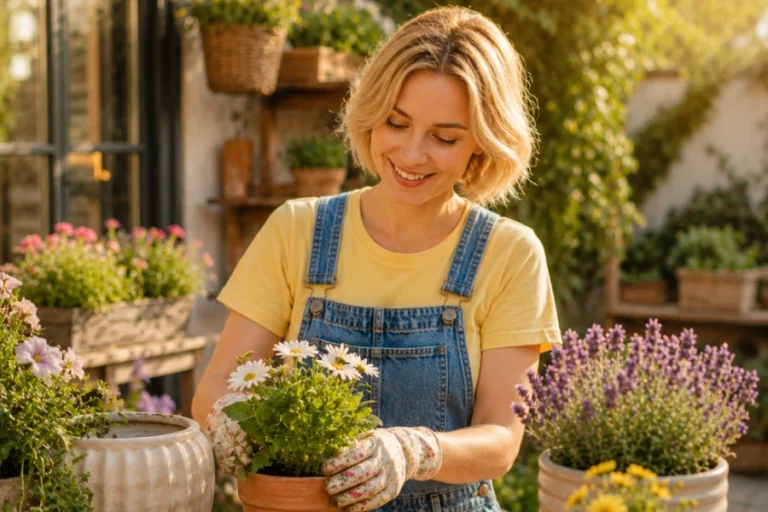
Small patio styling becomes easier when the space stops trying to do everything at once. A compact outdoor corner needs purpose before it needs more furniture. The best results often come from editing, not adding. Start by noticing how people enter, sit, turn, and reach. Then choose one main use that supports real life. A reading nook needs different choices than a dining spot. A plant corner needs different flow than a lounge area. When the layout feels honest, every detail works harder. Color, texture, shade, and storage become more intentional. The whole patio begins to feel calmer.
Why Small Patio Styling Begins with One Clear Purpose
A small patio becomes crowded when every idea competes for attention. Dining, lounging, gardening, and entertaining may all sound appealing. Yet the footprint usually supports one primary role best. Choose the moment you want the space to serve most often. Morning coffee may need a slim table and one supportive chair. Evening conversation may need softer seating and a warmer light source. Once that purpose feels clear, the rest becomes easier. Furniture choices shrink. Accessories make more sense. The patio gains confidence because the layout no longer feels accidental.
Measure Movement Before Buying Anything
Good outdoor rooms respect the boring details first. Door swings matter. Chair pullback matters. Narrow walkways matter more than decorative accents. Before styling, walk the patio with nothing in your hands. Notice where your body hesitates or turns sideways. Those small friction points reveal the real limits of the space. A compact outdoor layout works best when it protects movement as carefully as mood. Leave breathing room around the entry. Keep storage out of the main path. Let the easiest route stay visible.
Small Patio Styling Works Better with Vertical Layers
Floor space disappears quickly outdoors. Vertical surfaces can carry much of the visual interest instead. A narrow shelf, hanging planter, wall light, or tall plant creates height without stealing the ground. This makes the patio feel more designed and less packed. Use one vertical move as the anchor. Then let smaller pieces support it quietly. Avoid covering every wall or railing. Empty space still plays an important role. It gives the eye somewhere to rest. That pause makes the patio feel wider, lighter, and easier to enjoy.
Choose Materials That Speak the Same Language
Small spaces magnify visual noise. Too many finishes can make even useful pieces feel messy. Choose one dominant material story before adding accessories. Warm wood, matte metal, woven texture, or simple ceramic can lead the mood. Repeat that finish in two or three places. The repetition creates a quiet rhythm across the patio. A patio styling PDF can help translate those choices into practical steps. Keep the palette restrained. Let plants bring movement. Allow textiles to soften the harder edges.
How Small Patio Styling Handles Storage Gracefully
Storage often determines whether a patio stays beautiful after the first week. Cushions, tools, watering cans, and extra throws need a home. If they float around, the space starts looking unfinished. Choose storage that supports the main purpose instead of hiding from it. A bench can hold cushions. A slim cabinet can hold garden tools. A lidded basket can manage smaller items. The goal is not perfection. It is quick recovery. When reset takes only a minute, the patio stays ready for ordinary life.
Use Comfort Cues Without Overcrowding
Comfort does not require many objects. One good cushion, one soft throw, or one warm lantern can change the feeling. The trick is choosing cues that invite use without blocking function. Texture should support the body and the mood. It should not become another pile to manage. Think about what you actually reach for outside. Then keep those pieces close and visible. A small-space outdoor system helps the patio feel lived in, not staged. The final result should feel simple, useful, and welcoming.