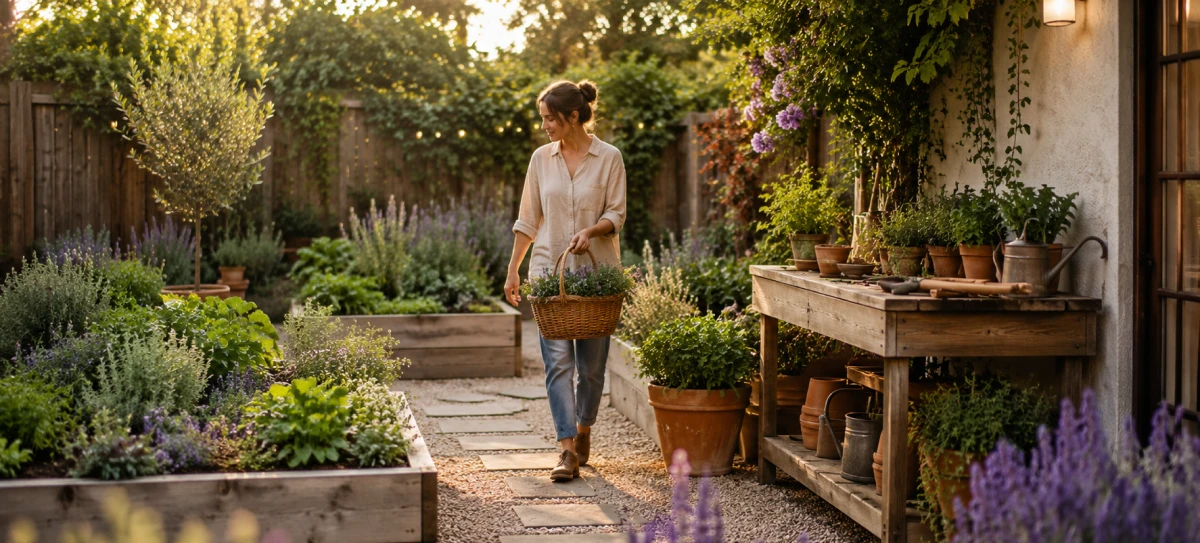
A patio styling system gives an outdoor room the structure it needs after the first pretty weekend. Many patios look finished for a moment, then slowly drift into clutter. Cushions scatter. Surfaces collect tools. Plants move without a plan. The issue is rarely taste. It is usually the absence of repeatable decisions. A clear system helps every piece earn its role. Furniture supports movement. Textiles support comfort. Plants support atmosphere. Storage supports quick resets. When these choices work together, the patio feels styled, useful, and easier to maintain.
Why a Patio Styling System Starts with the Existing Space
Before adding anything new, study what the patio already tells you. Notice light, exposure, privacy, noise, and clutter. Look at where people naturally sit or pause. Pay attention to corners that never feel resolved. These observations prevent decorative mistakes. They also reveal what the space can become without fighting its limits. A sunny terrace may want shade and airy furniture. A narrow courtyard may need vertical planting and fewer loose accessories. Honest reading creates better decisions. It helps the final result feel rooted, not forced.
Create One Anchor Zone First
An outdoor room needs a clear center of gravity. That anchor might be a seating group, dining table, bench, or generous planter. Choose the element that supports your main use. Then arrange supporting pieces around it. A flexible patio layout feels stronger when the eye knows where to land. Avoid spreading attention across too many small vignettes. One confident zone can make the entire patio feel designed. It also simplifies shopping because every new piece must relate to the anchor.
Patio Styling System Choices Should Protect Ease
Style loses value when it makes life harder. Outdoor pieces face wind, dust, rain, pollen, and busy schedules. Choose materials and routines that can survive normal use. Washable covers, stackable pieces, sturdy trays, and hidden storage all support ease. Keep the most used items close to where they belong. Store occasional pieces away from the main surface. A patio should invite daily use, not constant correction. When ease stays central, the space remains beautiful longer. That practical beauty feels more luxurious than fragile perfection.
Use Layers Without Letting Them Multiply
Layering makes a patio feel finished. Too many layers make it feel crowded. Begin with the functional layer: seating, table, shade, or storage. Add the comfort layer next through cushions, textiles, or lighting. Finish with atmosphere through plants, ceramics, lanterns, or natural texture. A patio styling system works when each layer has a reason. Remove anything that repeats a job without improving the mood. This editing step matters most in smaller spaces. Restraint lets the strongest pieces speak clearly.
Patio Styling System Resets Keep the Look Alive
Every outdoor room needs a reset rhythm. Without one, even good styling fades. Walk the patio once a week. Clear visible surfaces. Shake or straighten cushions. Remove dead leaves. Return tools to storage. Check whether the main zone still feels inviting. This routine should take minutes, not an afternoon. A outdoor styling PDF can help turn the reset into a simple habit. The goal is not a showroom. The goal is a space that returns to order easily.
Adapt the Patio as Real Life Changes
Outdoor spaces serve different needs across the year. One month may bring guests. Another may bring quiet evenings alone. Weather, schedules, children, pets, and plants all change how the patio works. Keep the foundation stable, but let the details shift. Move a side table when hosting. Add shade during warmer weeks. Store delicate textiles during rough weather. This flexibility keeps the patio from becoming rigid. It also prevents seasonal frustration. A strong system does not freeze the space. It gives change a place to happen.